

The Most Iconic Green Moments in TV for St. Patrick’s Day
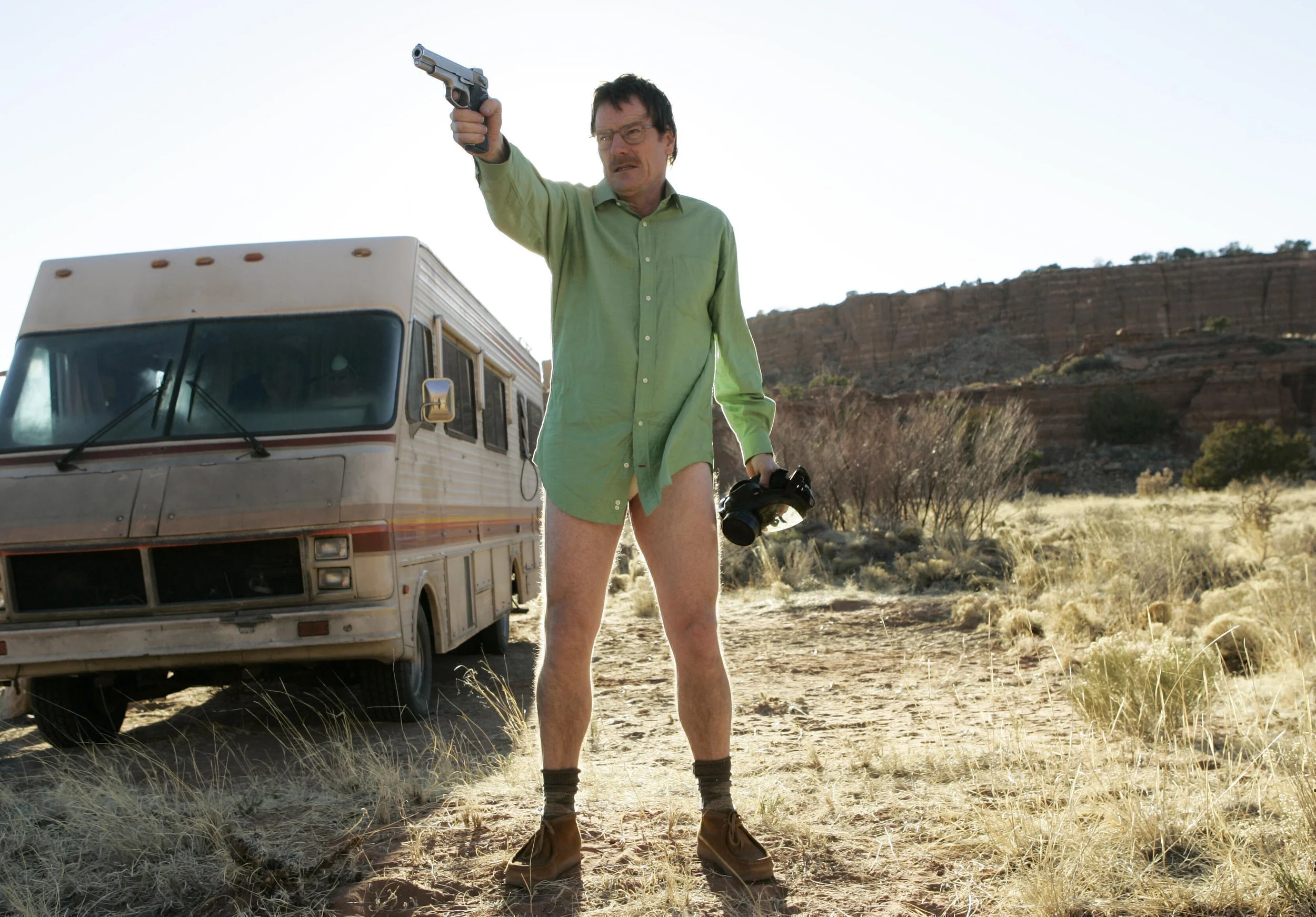
Breaking Bad, Sony Pictures Television, 2013
Television has always understood the power of green: envy, ambition, reinvention, alien biology, emotional instability, and occasionally a full-body Lycra suit.
These are the moments when green meant something. A dress that shifts the balance of power. A mascot born from desperation. Blood that proves you are very much not from here. A shirt worn at the exact moment an ordinary life tips into something irreversible.
Consider this your seasonal viewing guide: a tour through television’s most memorable shades of green: hopeful, toxic, glamorous, ridiculous, and occasionally radioactive. Wear something festive if you like. Things may escalate.
The Playlist
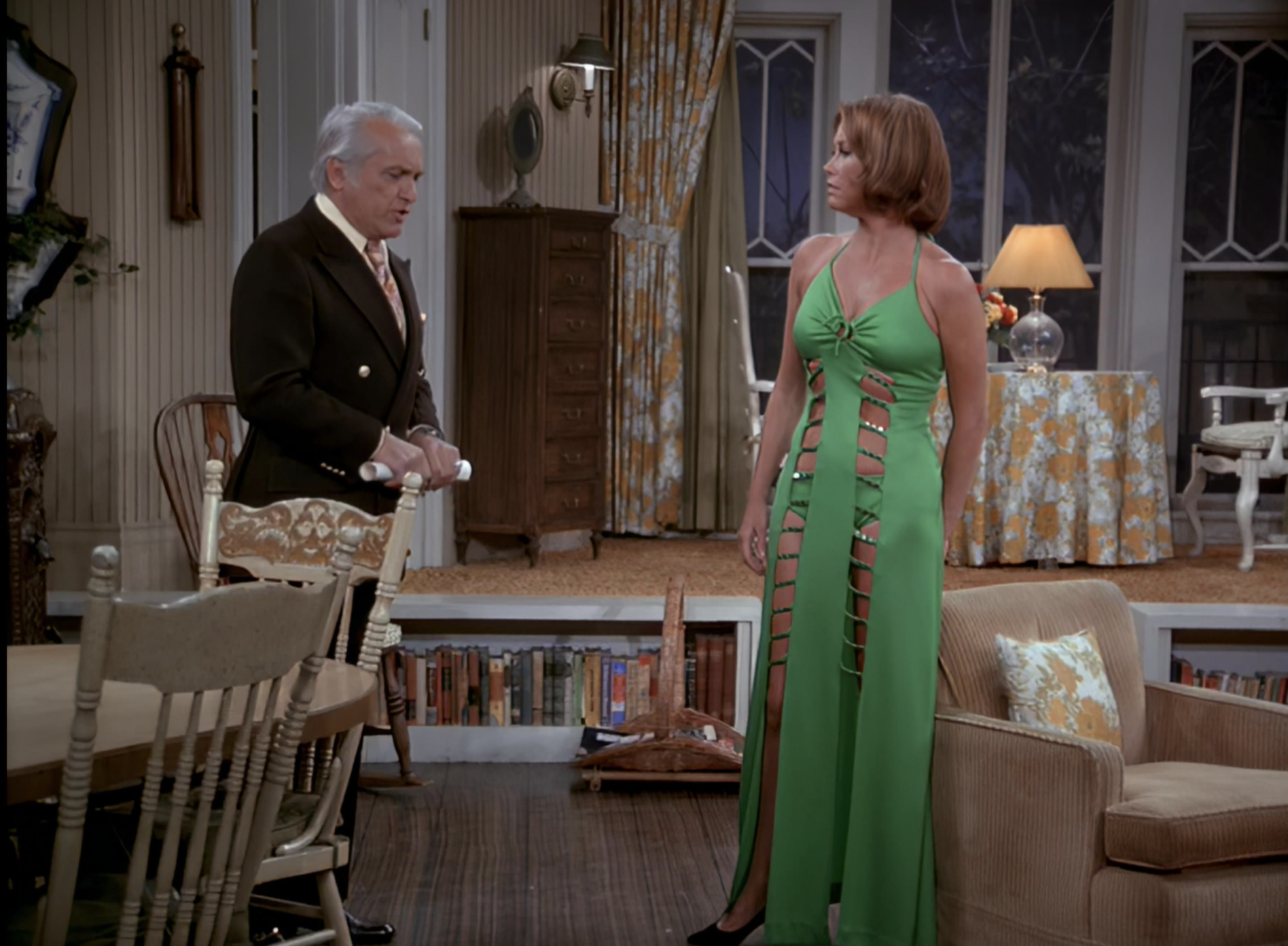
Mary Tyler Moore, The Walt Disney Company, 1970.
The Mary Tyler Moore Show
You Try to Be a Nice Guy
Season 5, Episode 21
Mary promises to help someone start a respectable new life and instead helps unleash a dress so vividly green, so strategically cut, that it briefly turns a Minneapolis newsroom into a cultural event. It’s the moment the show admits that professionalism, feminism, and showing a surprising amount of skin can, in fact, coexist, especially if the color is confident enough to carry the argument.
The X-Files
Colony
Season 2, Episode 16
Three identical doctors die, a government agent may or may not be himself, and somewhere in the middle of it all a shape-shifting alien bounty hunter bleeds a bright, unmistakable green, the kind of green that says biology has left the building. It’s the episode where the conspiracy gets thicker, the blood gets stranger, and the color palette shifts from federal beige to extraterrestrial slime, the official shade of being extremely not alone.
It’s Always Sunny in Philadelphia
The Gang Gets Invincible
Season 3, Episode 2
At an Eagles tryout that is less professional sports and more municipal chaos, Charlie eventually reemerges as Green Man, a full-body Lycra commitment to a color, a feeling, and whatever emotional infrastructure acid happens to unlock that day. It’s the purest form of television green: not symbolic, not seasonal, just a human being vibrating inside a neon suit, dancing like hope is a contact sport and dignity was never invited to the tailgate.
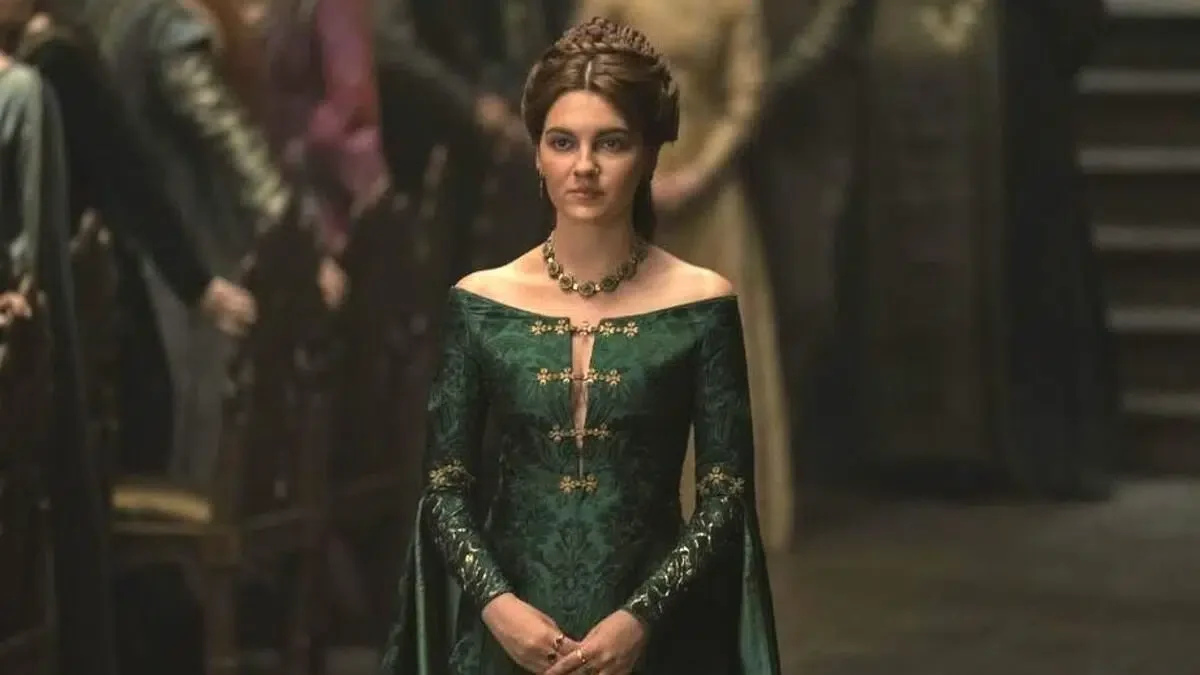
House of the Dragon, Warner Bros. Discovery, 2022
House of the Dragon
We Light the Way
Season 1, Episode 5
In the middle of a wedding designed to unify the realm, Alicent Hightower arrives in a gown so vividly green it functions less as fashion and more as a public declaration of hostilities. It’s the quietest possible escalation, no swords drawn, no speeches made, just a color associated with Oldtown’s beacon for war, worn calmly across a crowded room, turning silk into strategy and the entire political future of Westeros into a palette choice.
The Flinstones
The Great Gazoo
Season 6 Episode 7
A tiny, floating green alien appears over Bedrock, calls everyone “dum-dums,” and begins granting wishes with the confidence of a being who has already been exiled once for inventing a doomsday device. It’s the moment a perfectly respectable Stone Age sitcom turns lime-colored and cosmic, introducing a shade of green that doesn’t represent luck, nature, or St. Patrick, just advanced technology, mild contempt, and the creeping sense that the show may have jumped the shark.
30 Rock
Greenzo
Season 2, Episode 5
NBC unveils Greenzo, a cheerful corporate eco-mascot designed to monetize the environment, only to watch him evolve into a sanctimonious, rage-fueled embodiment of the planet’s disappointment in everyone. It’s television green at its most corporate and unstable, a shade that begins as branding, escalates into moral superiority, and eventually catches the set on fire. Hey, sustainability is hard.
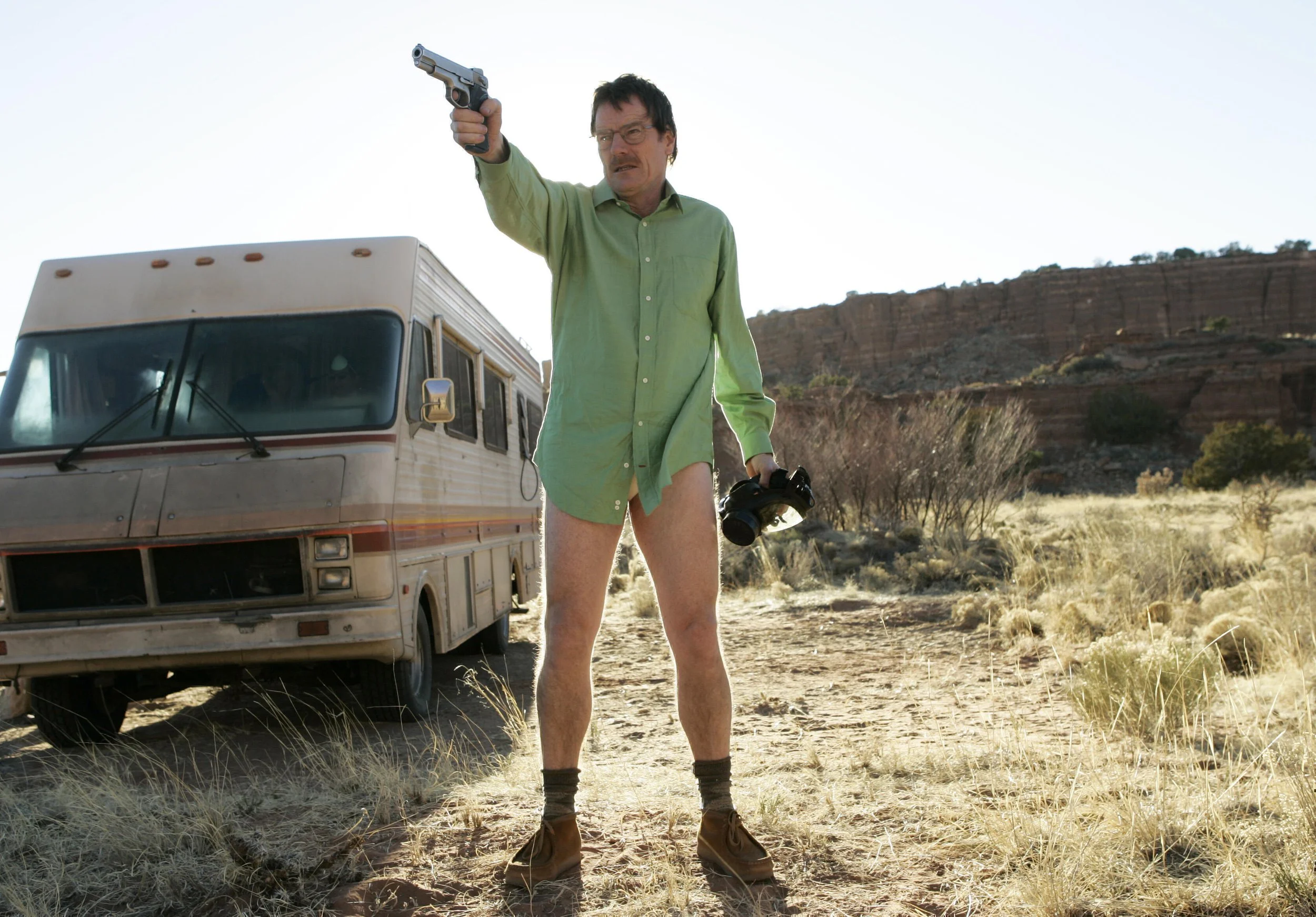
Breaking Bad, Sony Pictures Television, 2013
Breaking Bad
Pilot
Season 1, Episode 1
In the New Mexico desert, Walter White stands in nothing but shoes, socks, and a pale green button-down, pointing a gun at the horizon as sirens approach and he thinks the life he understands is about to burn down behind him. It’s the color of chemistry classroom chalkboards and cautious optimism, the last shade of ordinary before the show spends five seasons proving that green, like money and envy, never really stays innocent for long.
Mad Men
Guy Walks Into an Advertising Agency
Season 3, Episode 6
A bright green John Deere lawnmower rolls into Sterling Cooper as a cheerful symbol of new business, new optimism, and the general American belief that progress should be large, mechanical, and freshly painted. Minutes later it has permanently altered a man’s career in a spray of office-party horror, making this one of television’s most unforgettable shades of green, the color of momentum, success, and the precise moment everything goes terribly, irreversibly wrong.
Star Trek
The Menagerie, Part II
Season 1, Episode 12
On Talos IV, reality becomes optional and desire gets a production budget, culminating in one of television’s most enduring images: the Orion slave girl, shimmering green and engineered entirely from illusion. She exists not as a person but as a projection of irresistible fantasy, proof that in Star Trek, the most dangerous color isn’t red (that’s for shirts), but green, the shade of temptation, escape, and the comforting lie you might choose if the truth were too hard to live with.
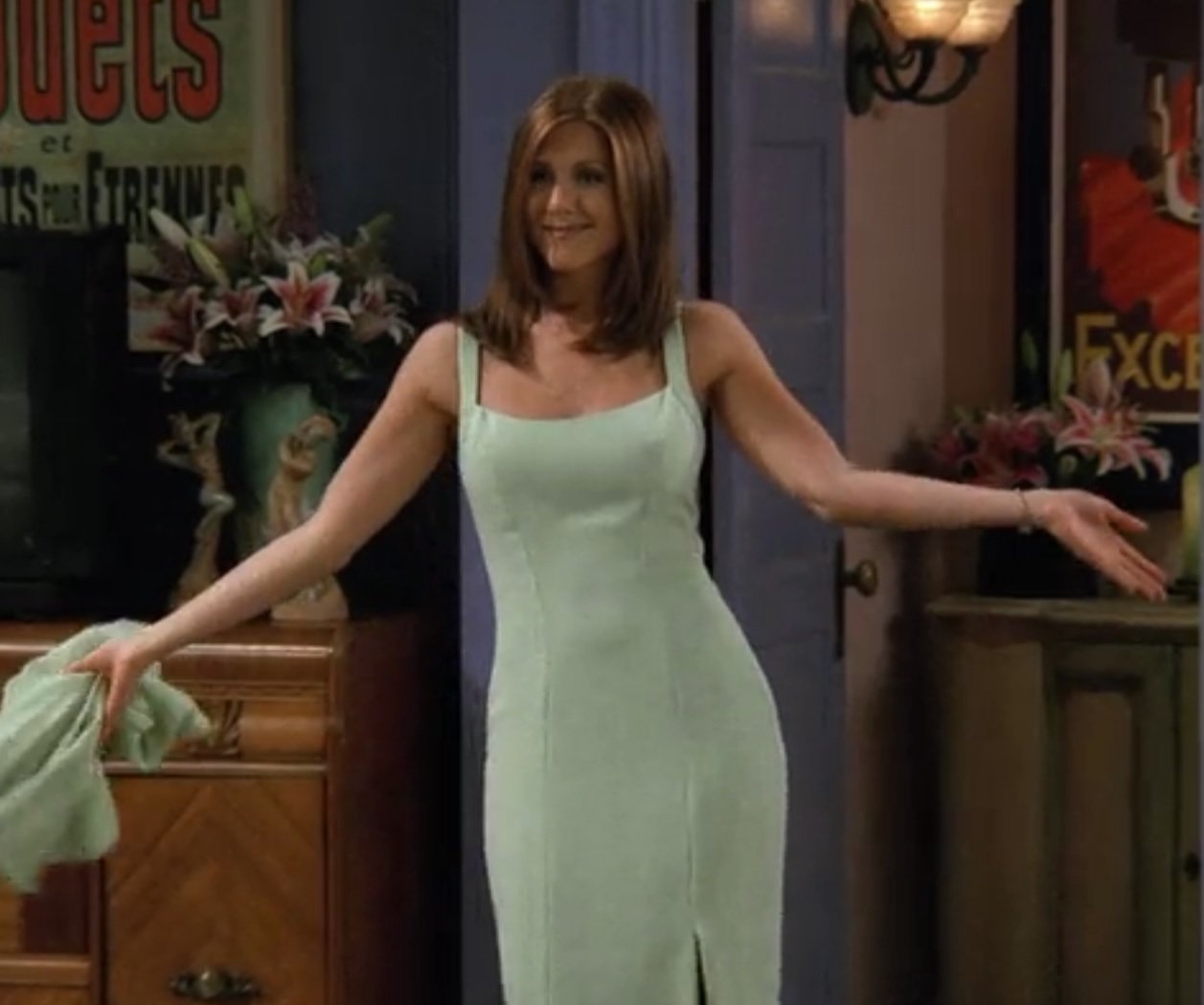
Friends, Warner Bros. Television, 1994
Friends
The One Where No One’s Ready
Season 3, Episode 2
While Ross measures time in panic and everyone else measures it in chaos, Rachel finally emerges in a sleek mint-green dress that stops cold the episode, Ross’s nervous system, and even the internet 30 years later. It’s the calmest thing in the apartment, a decisive color in a room full of chicken fat, stolen cushions, emotional spirals, and the sense that getting ready is never really about the clothes at all.